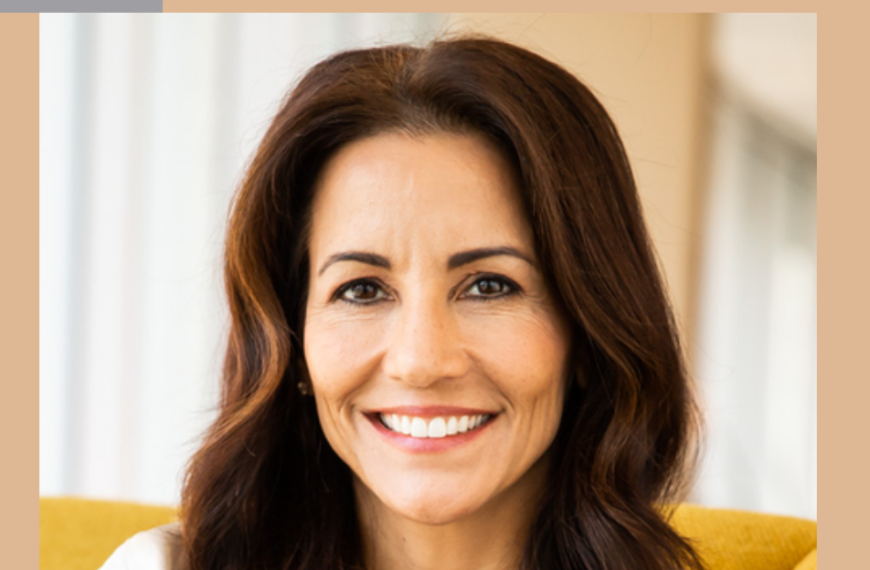


Reputation has become a full-funnel strategy rather than a one-off campaign, and brands that fail to build trust with both humans and artificial intelligence risk disappearing from the consideration set of B2B buyers, according to Marine Lucas, Global Program Lead for Customer Scaled Engagement & Marketing, LinkedIn
Partnerships at LinkedIn
In a recent analysis of shifting marketing dynamics, Lucas argued that sustained executive thought leadership is now essential for long-term trust and market leadership. She pointed to examples such as Siemens, where consistent leadership visibility has strengthened brand credibility over time
“Executive voices matter,” Lucas said. Leaders who appear authentically—such as those using short-form video—humanize their organizations and drive stronger affinity with audiences.
Marketing to Machines
A more fundamental shift is underway, she noted. With the majority of B2B buyers now beginning their discovery process through large language models, brands must actively manage their presence and credibility inside these AI systems.
ALSO READ: EQUITY BANK UGANDA TARGETS MANUFACTURERS VIA NEW CUSTOMER ENGAGEMENT DRIVE
Lucas cited data showing that 94% of B2B buyers start research with LLMs, and 80% of shortlisted brands already appear in the top three results at that early stage. Visibility alone is no longer sufficient. The industry has moved from an era of attention to an era of reputation, where metrics such as “share of mention” within AI models are becoming as critical as traditional search rankings.
“If AI doesn’t trust your brand, buyers won’t find you,” she warned. Brands that ignore this new audience risk becoming invisible.
Humans Remain the Bottleneck
While artificial intelligence has largely solved the challenge of content volume, Lucas stressed that human judgment remains the limiting factor. AI can generate and scale output, but empathy, ethical oversight and contextual understanding are what make messages land and build genuine connection.
She described the frontier organization not as the one that adopts AI tools fastest, but as the one that redesigns decision-making. True leadership, in her view, means bringing decisions closer to real-time data and moving away from rigid hierarchies. The frontier CMO is not necessarily the person with the best ideas, but the leader most willing to change course when evidence demands it.
The Path Forward
Lucas concluded that the future belongs to brands that combine technology with a deep commitment to credibility and human connection. Technology is only half the equation. The real frontier, she said, lies in the courage to rebuild habits, protect brand reputation and deepen human relationships—before others reshape the industry.“The future belongs to organizations that understand technology is only half the equation,” Lucas said. “The real frontier isn’t having the best AI model; it’s having the courage to rebuild our habits, protect our brand’s credibility, and deepen human connection


 By
By