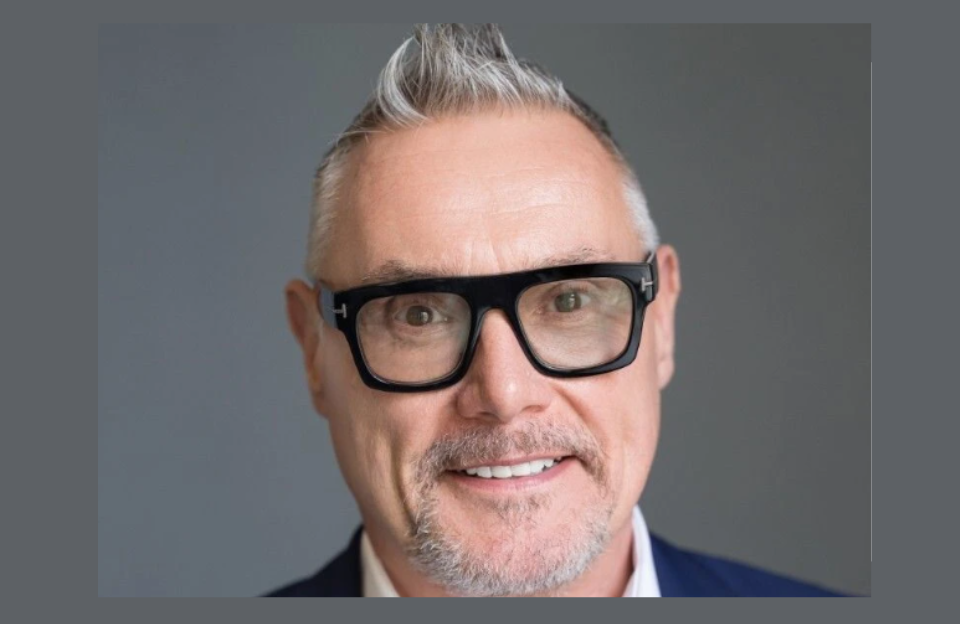

Indeed is deliberately moving beyond traditional job-search advertising to build longer-term talent pools, according to Chief Marketing Officer James Whitemore.
In a recent conversation on the Ad Age Marketer’s Brief podcast with host Brandon Doerrer, Whitemore outlined how the company has changed its marketing approach in the year since he took the role.
The shift prioritizes passive and future job seekers over those already actively searching, using fandom-driven campaigns and product-led matching tools.
“The key for our marketing campaigns is not just to look at people who are actively searching for a job right now, but to look at future demand and people who may be passively open to opportunities,” Whitemore said. He pointed to recent efforts such as the “Jobs Need People” campaign and the “Chief World Cup Watcher” activation as examples of connecting with audiences through sports, entertainment, and community interests rather than relying on broad, search-driven messaging alone.
From Search Engine to Matching Marketplace
For roughly a decade, Indeed’s marketing centered on identifying and converting people already in active job searches. That model has changed, Whitemore explained. The platform itself has evolved from a pure job-search marketplace into a matching and sourcing system that proactively recommends opportunities to candidates and gives employers tools to source talent.
Marketing has followed the product. Instead of relying solely on people searching for jobs, the company now works to bring passive, curious or future workers into the marketplace so they can build sourceable profiles. This includes people still in education or training, those considering a career change, or those who may re-enter the workforce later.
“You want that future demand because there are people who are going to be entering the workforce a couple of years from now, and you want them, when they start looking for work, to be thinking of Indeed first,” Whitemore said.
Balancing Performance and Brand
Indeed continues to invest heavily in performance marketing aimed at active job seekers—programs on Google, Meta and other platforms that Whitemore described as “a science.” The company uses data on cost of acquisition versus lifetime value to maximize those lower-funnel investments in each market.
At the same time, it is expanding top-of-funnel and brand work. Structured blackout and holdout tests across more than 60 countries help demonstrate that broader investments improve overall marketing efficiency rather than dilute it. “If you just over-rotate to lower-funnel, demand-capture-type tactics, then the whole model becomes less efficient,” he said.
Measurement has also shifted. Success is no longer judged primarily by clicks on job listings. Newer metrics focus on the quality and completeness of candidate profiles, how sourceable those profiles are for matching engines, and whether presented opportunities lead to application starts.
ALSO READ: OYINLOLA URGES SMES KNOW SALES AND MARKETING FUNCTIONS
A Human-Centered Message
The “Jobs Need People” campaign reflects the same philosophy. Whitemore noted that the vast majority of jobs remain people-driven—healthcare, education, retail, hospitality and construction among them. Many job seekers feel unseen after flooding applications generated with AI tools and receiving little response.
Employers, meanwhile, face either chronic talent shortages or overwhelming volumes of applications that push them toward automated screening.
The campaign’s message is that both sides still need human connection in the process. Job seekers are encouraged to build richer, searchable profiles so the right opportunities can find them. Employers are encouraged to use matching tools while keeping people in the loop.
“Work is a very human thing,” Whitemore said. “All we’re trying to do is resolve those tensions in the marketplace and say, hey, you need humans in this loop.”
He added that humor, once common in job-search advertising, feels less appropriate in the current climate. Empathy and practical guidance matter more. “Just be a guiding light to help people through a period of great change,” he said.


 By
By