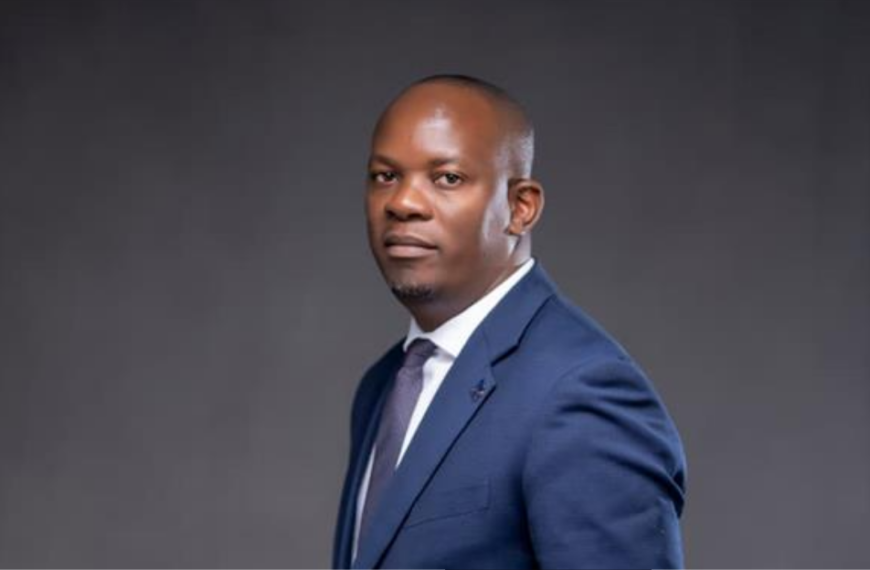


As artificial intelligence continues to reshape the communications landscape, Ijeoma Balogun, Founder and CEO of Redrick PR, is urging public relations professionals to shift from mere execution to strategic counsel rooted in deep human and cultural understanding.
In a keynote address delivered at the Nigerian Women in Public Relations (NWiPR) World PR Day webinar earlier this week, Balogun shared powerful insights drawn from over a decade of leading one of Nigeria’s leading PR firms. The address, which has since sparked conversations across the industry, emphasized that while AI can enhance efficiency, it cannot replace the uniquely human ability to understand people and culture.
Balogun founded Redrick PR at the age of 23, initially believing that excellence in execution , crafting compelling press releases, delivering flawless events, and hitting KPIs- was enough. However, as the agency matured, client conversations evolved beyond tactics into deeper discussions about business growth, reputation, consumer behaviour, and market dynamics.
“Execution gets you into the room. Counsel keeps you there,” Balogun stated. “An executor delivers what they’re asked to do. A counsellor helps shape what should be done in the first place.”
She argued that the most valuable contributions now often occur before a single word is written, positioning PR professionals as strategic advisors rather than just implementers.
AI as a Tool, Not a Threat
Addressing the widespread anxiety about AI replacing PR roles, Balogun offered a balanced perspective. While acknowledging that AI is already writing drafts, building plans, and increasing efficiency, she maintained that technology is revealing — rather than diminishing — the true value of the profession.
“The real value we bring has never been the press release,” she said. “The real value we bring is judgment,judgment built on experience, listening, understanding people, and above all, cultural intelligence.”
Balogun defined cultural intelligence as going beyond trends to deeply understanding how people think, behave, what resonates with them, and what turns them off. This insight, she noted, emerges from observation, curiosity, and closeness to the market.
ALSO READ: COCA-COLA STRENGTHENS AFRICAN MARKETING LEADERSHIP WITH NEW APPOINTMENTS
The CeraVe Campaign: Culture as Strategy
A standout example from Balogun’s address was Redrick PR’s work on the CeraVe campaign in Nigeria. Before any creative execution, the global team recognized Nollywood as a powerful cultural entry point. Balogun and her team leveraged deep local insights into how Nigerians engage with Nollywood ,through memes, humour, nostalgia, and shared references — to create an authentic campaign.
The results were remarkable: over 800 creator entries, 68,000 public votes, more than 50 million organic video views, and CeraVe rising from the fourth to the number one most engaged skincare brand in Nigeria.
“What I’ll always remember is watching Nigerians make the campaign their own,” Balogun reflected. “Not because we told them to, but because they genuinely connected with it.”
She used the success to challenge the industry norm where local agencies are often brought in only to execute pre-determined strategies, advocating instead for their involvement from the strategy stage.
The Future of PR: From Execution to Insight
Balogun concluded with a clear call to action for communications professionals: master execution and embrace technology, but invest deeply in becoming better observers, listeners, and students of people and culture.
“In a world where everyone has access to the same AI tools, your competitive advantage won’t be your ability to generate content. It will be your ability to generate insight,” she said.

 By
By