
Across boardrooms in Lagos, Nairobi, Accra, and Johannesburg, one concern keeps surfacing: “FinTech is eating our lunch. What do we do?”
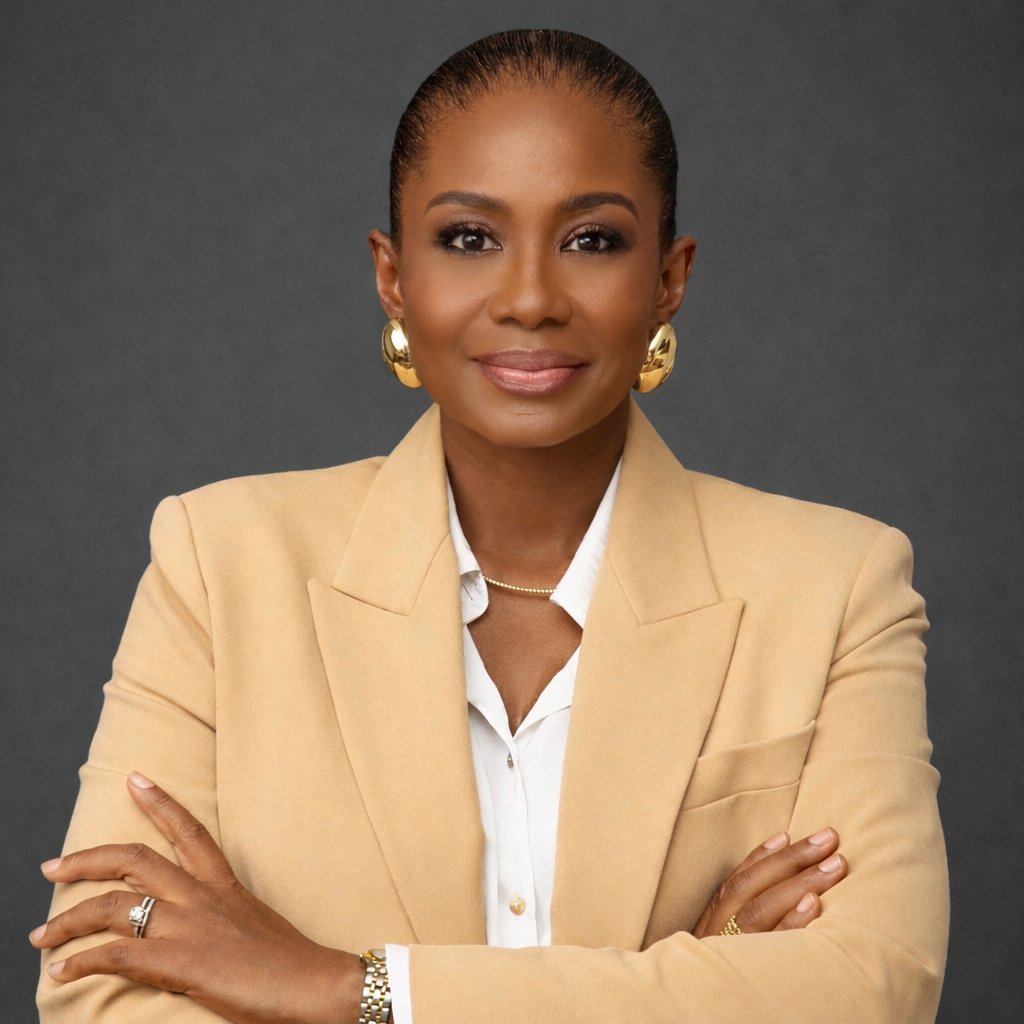
But according to banking executive and advisory expert Jumoke Adejumobi-Owodunni, that is the wrong question entirely.
Over the last decade, Africa’s financial landscape has been transformed by FinTech giants like Flutterwave, Paystack, Moniepoint, Carbon, and M-Pesa — companies that barely existed two decades ago but now process billions in transactions, serve millions of previously unbanked Africans, and attract global investment at valuations rivaling traditional banks built over generations.
Nigeria alone has recorded more than $3 billion in FinTech investment within the last five years. The Central Bank of Nigeria has already issued digital banking licenses, while open banking frameworks continue to take shape across the continent.
“The direction of travel is clear,” she noted.
However, she argues that what many banks are missing is this: FinTech has not made banking irrelevant it has only made transactional banking partly irrelevant.
And according to her, those are two very different things.
What FinTechs Actually Disrupted
Adejumobi-Owodunni explained that FinTechs did not disrupt banking itself — they disrupted friction.
“They disrupted the queue, the form, the five-day turnaround, the opaque fee structure, and the indifferent customer service that had defined banking for ordinary Nigerians for decades,” she said.
By offering speed, simplicity, transparency, and control, FinTechs earned something many banks once took for granted: trust.
But while technology has transformed transactions, she insists it has not replaced the deeper value banks provide through human relationships.
“What FinTechs have not disrupted and cannot easily disrupt is depth,” she stated.
She described this depth as the trust built between a senior banker and a corporate client navigating restructuring, or the insight gained by relationship managers who have supported businesses through economic cycles, policy shifts, and financial crises.
“Data can inform decisions. Algorithms can flag opportunities.
Platforms can execute transactions in seconds. But none of these tools can hold a difficult conversation. None of them can read the room. None of them can earn the kind of trust that makes a CEO pick up the phone on a Sunday,” she said.
“That remains a deeply human capability.”
The Real Problem Facing Banks
Drawing from more than two decades in corporate and investment banking across West Africa, Adejumobi-Owodunni argued that the bigger issue is not that FinTechs are too strong but that many relationship managers have failed to evolve.
“The problem is not that FinTechs are too good. The problem is that too many relationship managers have not kept pace with what clients now expect,” she said.
She noted that clients who once tolerated basic account maintenance disguised as relationship management now have alternatives and higher expectations.
According to her, sophisticated clients including HNIs, corporates, and institutions — are not abandoning banks for FinTechs, but they are demanding more from the people who manage their relationships.
“They want strategic thinking, not just product knowledge. They want proactive insight, not reactive problem-solving. They want an advisor who understands their industry, ambitions, and risks not just their account balance,” she explained.
She believes the relationship managers who will thrive are those who evolve from transaction facilitators into trusted advisors.
The Rise of the ‘Augmented’ Relationship Manager
Adejumobi-Owodunni believes the future of banking in Africa will not be a battle between humans and technology, but a strategic integration of both.
“The most effective relationship managers of the next decade will be augmented,” she said.
According to her, the next generation of RMs will combine human judgment with AI-driven tools and client intelligence systems to anticipate customer needs before clients even articulate them.
“They will use data to identify portfolio stress, cross-sell opportunities, and churn risk before it becomes visible to the naked eye,” she explained.
“But then they will use emotional intelligence, trust, and deep sector expertise to act on that intelligence in ways no platform can replicate.”
She stressed that this shift is already becoming the competitive difference between banks growing wallet share and those losing relevance.
“The institutions that will lead African banking over the next decade are not the ones that simply digitise their services,” she said. “They are the ones that build relationship managers who are as comfortable with a CRM dashboard as they are in a boardroom.”
ALSO READ: ANIETIE UDOH TAKES CENTRE STAGE AT INDUSTRY SUMMIT 2026 WITH PRESTIGIOUS MARKETING HONOUR
What Banks Must Change
To remain competitive, Adejumobi-Owodunni outlined three critical changes banks must make.
First, she said banks must stop viewing relationship manager development as an expense and begin treating it as a strategic investment.
“In markets where products are rapidly converging and digital infrastructure is becoming table stakes, the RM is the differentiator,” she said.
Second, she argued that performance metrics must go beyond quarterly revenue targets.
“A relationship manager who hits their numbers this quarter by being transactional is destroying the long-term value of the client relationship,” she warned.
According to her, banks should measure client depth, advocacy, and advisory quality — not just booked revenue.
Third, she called for the creation of stronger communities and development structures for relationship managers across Africa.
She noted that thousands of RMs currently operate without peer support, structured learning pathways, or access to cross-border intelligence that could help them become globally competitive.
“That isolation is a strategic liability,” she stated.
A Defining Opportunity for Africa
Adejumobi-Owodunni believes Africa now stands at a defining moment.
“Nigeria has the talent. Africa has the market. The question is whether our financial institutions will invest in the human infrastructure needed to lead it,” she said.
In her view, the FinTech revolution did not mark the end of relationship banking, it marked the end of mediocre relationship banking.
“The future of banking in Africa will be built by professionals who are both digitally fluent and deeply human,” she concluded.
“And for the banks that develop that combination deliberately, it will be worth more than any technology investment they will ever make.


 By
By