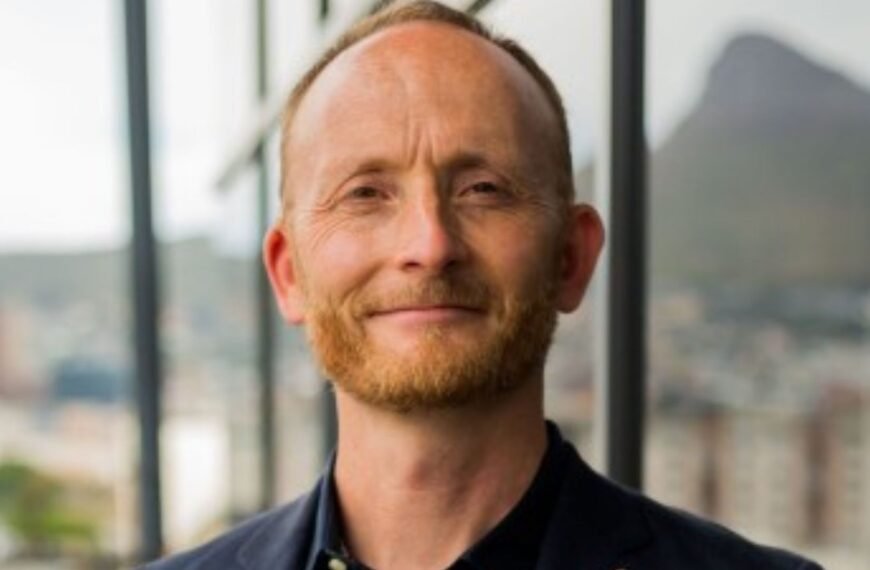
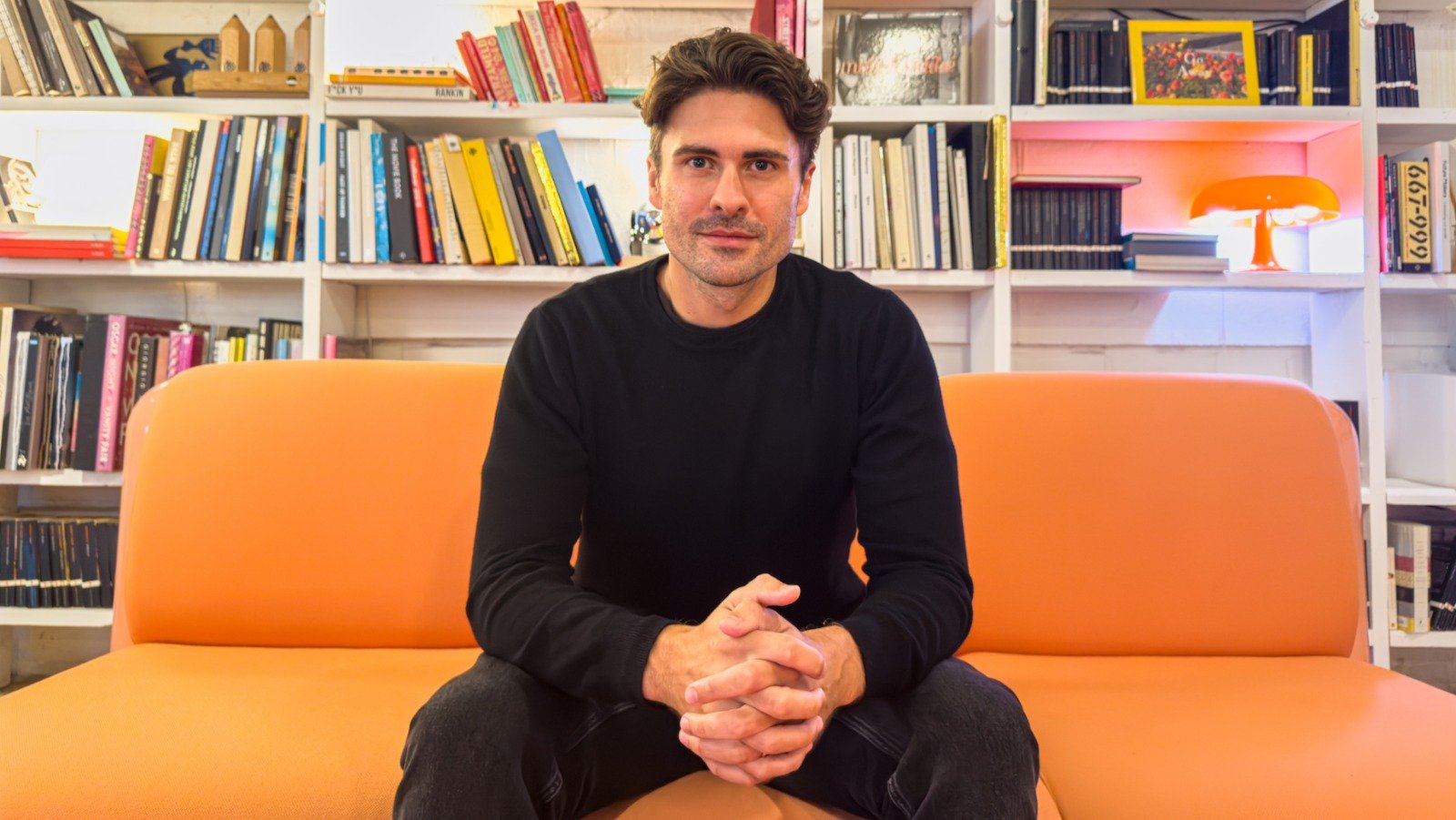

Sam Morgan-Smith, Head of Digital at The Romans, has challenged one of marketing’s most enduring frameworks, declaring the traditional awareness–consideration–conversion funnel fundamentally unfit for today’s digital behaviour.
In a sharply argued commentary on the evolving role of social platforms, Morgan-Smith said the linear funnel was designed for a “predictable and safe” era that no longer reflects how consumers actually discover, evaluate, and purchase brands. According to him, social media has not merely disrupted the funnel—it has flattened it entirely.
“Discovery, trust, and purchase no longer happen in sequence,” Morgan-Smith noted. “They happen simultaneously, often in the same scroll.” He argued that the long-held belief that consumers calmly move through clearly defined stages is increasingly disconnected from reality, particularly among Gen Z and millennial audiences.
Rather than entering funnels, Morgan-Smith said modern consumers “fall into feeds,” where content, community, and commerce coexist. For younger audiences especially, brand discovery is now content-led, shaped by creators, reinforced in comment sections, and validated through peer opinion. In many cases, purchasing decisions are made without ever clicking a traditional link, underscoring the rapid normalisation of social commerce.
Citing emerging data, Morgan-Smith pointed to the growing role of social platforms as search engines in their own right. More than 41 per cent of Gen Z now use social media to search for information, a shift he says explains why platforms like TikTok and Reddit have risen rapidly as discovery tools. “People go where opinions live, not just where keywords do,” he said, warning that brands that have not adjusted their strategies are already behind.
Morgan-Smith explained that social platforms have collapsed what were once separate stages—seeing a product, understanding it, checking reviews, and making a purchase—into a single environment. As a result, the customer journey often concludes before traditional attribution models even begin to register impact.
While he stopped short of declaring the funnel obsolete, Morgan-Smith stressed that it is no longer vertical. Brands that continue to optimise strictly for top-, mid-, and bottom-of-funnel metrics, he argued, are building strategies around friction points that no longer exist. Discovery and evaluation, once distinct phases, have merged into a single behaviour driven by social relevance.
ALSO READ: MOLIEHI MOLEKOA URGES ‘FUNDAMENTAL RESET’ IN CLIENT-AGENCY TIES
This shift, he added, also explains why social media is increasingly replacing search engines for brand discovery. “Google tells you what exists. Social tells you what’s worth it,” he said, describing trust as something now formed publicly and in real time, often without brands formally introducing themselves.
Morgan-Smith also highlighted the collapse of earned, owned, and paid media into a single in-feed experience. Creator content now functions simultaneously as education, social proof, and conversion, while paid media simply accelerates what is already resonating organically.
He acknowledged that the shift does not affect all sectors equally and that B2B journeys still differ in structure. However, he maintained that consumer discovery and early decision-making have decisively moved into social ecosystems.
In closing, Morgan-Smith offered a blunt assessment for brands still clinging to linear thinking: social is no longer a support channel but the front door. Attention, he argued, has been replaced by relevance, and success is increasingly measured in saves, shares, comments, and time spent—not clicks alone. The customer journey, he concluded, is now a loop, not a line, and brands that fail to recognise this risk building for an audience that no longer exists.

 By
By