
In terms of data availability, marketers have moved from famine to feast in recent years. With information being emitted by washing machine, wrist and everything in between, we’re swimming in our ‘new oil’.
Many find this abundance of data paralysing. It’s reminiscent of Samuel Taylor Coleridge’s description of the adrift mariner: “Water, water everywhere/Nor any drop to drink.”
So, the inevitable question on marketers’ lips is: of all this data, which is the most useful?
That’s because the usual application of data supports an organisation’s ability to sell; an ‘inside-out’ approach. A slightly different question is more pertinent: which data will allow us to harness customer intent? Because, once we can deduce what someone seeks, ‘spray and pray’ marketing becomes ‘listen and provide’. Which is a game-changer.
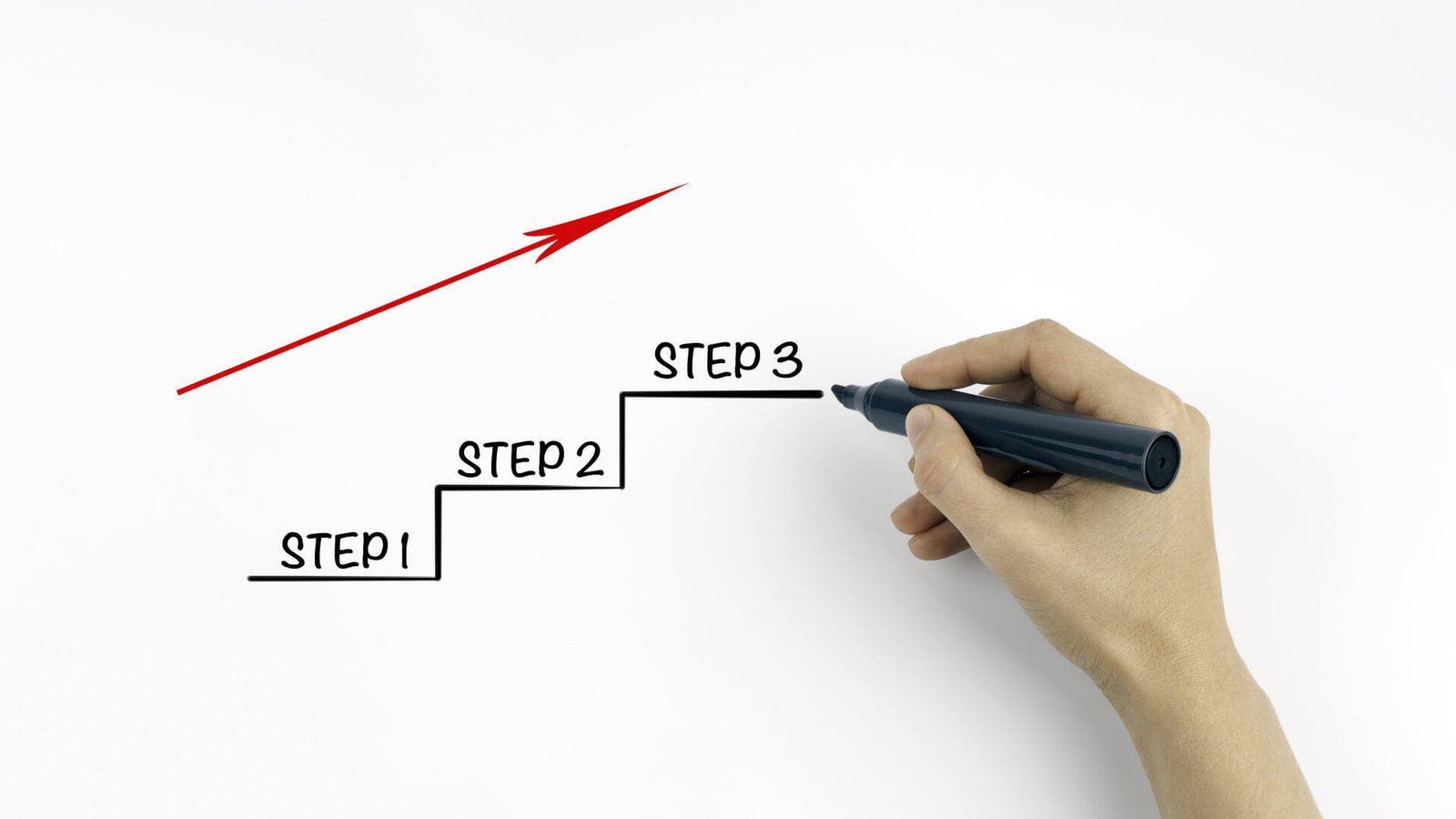
Using our data to understand and leverage intent is not a tricky as it sounds. There are three discernible stages which is explained below:
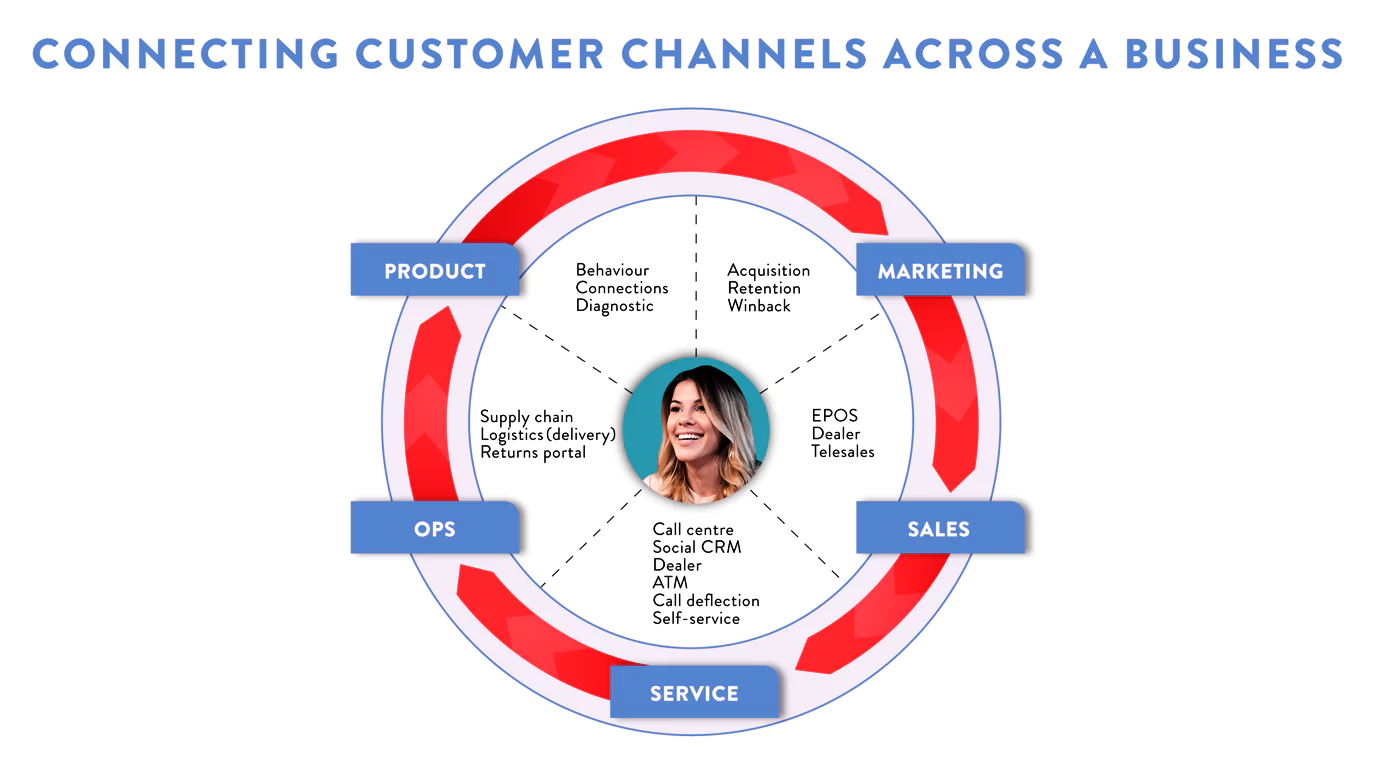
Connect your customer channels
When modern marketers describe their ‘omni-channel’ approach, the reality is generally a multichannel process at best. There’s a distinct difference; the latter commonly describes the unification of a few, digital, marketing channels. While useful, this doesn’t encompass all the touchpoints a customer traverses.
Conversely, true omni-channel represents all customer channels – online, offline and physical, such as a kiosk – potentially unifying service, sales and even operations. Once an organisation connects its relevant customer channels, powerful insights arise across systems and departments. This is a huge step to understanding journeys and, crucially, customer intent.
2. Connect your performance and customer analytics
Strangely, given phenomenal advancements in adtech and martech, marketers still struggle to conjoin their two main sources of insight:
Performance analysis: Mostly behaviour-based – and digital. Think funnels, conversions, website optimisation and bounce rates.
Customer analysis: An attribute-based approach. This might include product portfolio, postcode, contract length, etc. And while recognising ‘user types’, it tends to lack context, ultimately failing to understand individuals.
It’s all a little Jack Sprat. Performance analysis represents behaviour, but limitations in channels and identification means it doesn’t accurately depict unique customers. Conversely, customer analysis fosters our understanding of customers, yet falls short when called on to explain behaviour. Unless organisations connect the two, they typically fail to mobilise more than 10% of their analysis.
By joining performance and customer analytics at scale and across all channels, we know which folk have done what, and when. Individual conversations – omnichannel orchestration at scale – is suddenly a realistic premise.
3. Understand journeys across time
You’ve connected your channels, and your performance and customer analysis are perfect bedfellows. Congratulations – you are sitting among the top 8% of marketers. Just a single hurdle remains in the quest for customer-centricity.
Unless we can think beyond the campaign (generally, upselling at opportune moments), marketers will misread customers’ intentions. Understanding individual journeys over time (not by campaign) will demystify intent, fuelling personalised, richer experiences. In musical terms, this is about shifting from staccato to sustain, as distant signals from the past might influence a customer’s present.
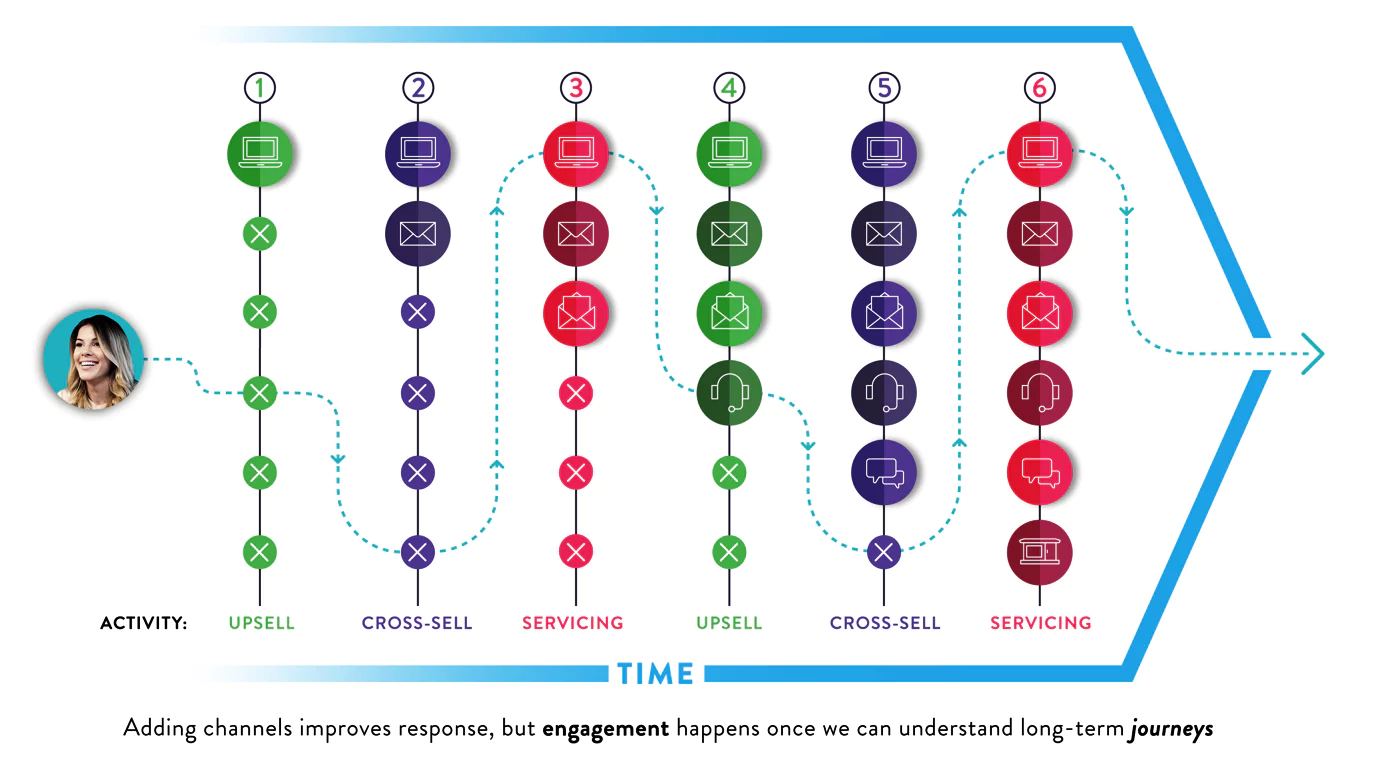
You can tell this is gaining traction since analysts are adopting naming conventions, from ‘temporal understanding’ to ‘continuous intelligence’. Whatever the terminology, customer journey-based understanding is fast becoming the cornerstone of orchestration.
According to Research Director, IDC, Gerry Brown, he said; “Brands need to think about delivering ‘in-the-moment’ marketing – real-time responses to individual customer or audience opportunities, underpinned by the situation context.”
Relevance is fleeting
The catalyst unlocking intent is our ability to respond in the moment. While drawing on the past and predicting the future, marketers often fall into an unlikely trap of ignoring the present.
Data has an alarmingly short shelf life; Forrester’s Mike Gualtieri describes “perishable insights”. Intent-driven journeys require us to pull all available context, across every trackable channel, responding during the brief period our message is relevant. I call this the activation of ‘real-time wisdom’.
Customer-centricity then becomes an activation (rather than analysis) conundrum. But with inroads into the three steps above – and the right platform – it’s far easier than you might imagine.


 By
By