

Unilever has cut its UK television advertising spend by just over 50% so far this year compared with 2025, as it shifts investment towards influencers and digital platforms, according to figures reported by The Guardian on 24 November.
The Guardian’s analysis, based on industry sources, shows Channel 4 was hit hardest, with Unilever’s spend down 92%. Spending through Sky’s advertising sales operation fell 44%, while ITV recorded a 42% decline. Unilever, whose brands include Dove, Hellmann’s, Persil and Vaseline, had a UK TV budget of almost £100 million.
The move follows a strategy announced in March 2025 by Chief Executive Fernando Fernandez to expand influencer partnerships. Unilever has since grown its global creator network from 75,000 in 2024 to more than 500,000, and about 70% of its marketing budget now goes to digital channels.
Chief Marketing Officer Leandro Barreto said in a recent strategy update that creator-led content delivers 1.5 times the return on investment of branded content, which includes traditional TV, print and digital display advertising.
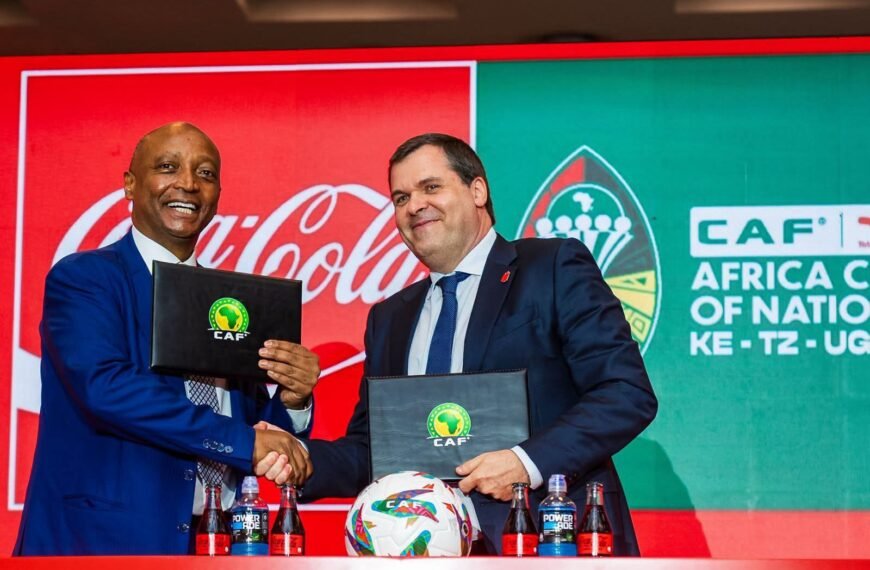
ALSO READ: Coca-Cola Renews CAF Partnership After Nearly 30 Years
Creators have featured in recent campaigns and product development. British media personality Molly-Mae Hague has worked with Comfort, while the work of beauty creator Jen Chae inspired a Vaseline product. Earlier this year, Unilever Foods appointed social-first agency SAMY to develop an influencer strategy across 13 markets, including the UK, covering brands such as Knorr and Hellmann’s.
Artificial intelligence tools have also changed production. Unilever said they have enabled it to produce 12 times more content than in 2024 while cutting production costs by 90%.
Thinkbox, the UK marketing body for commercial television, disputes the case for diverting budgets. Its research found broadcast TV accounted for 39% of campaign-generated awareness uplift, against 1% for influencers. Chief Executive Lindsey Clay said TV strengthens the performance of other channels, including social media.
Unilever has not left TV altogether. Its sponsorship of the 2026 FIFA World Cup includes 100,000 pieces of content across 120 markets and collaborations with 50,000 creators.

 By